Understanding Electricity Scams in 2025
- 🚪 Door-to-door visits
- 📞 Phone calls
- ✉️ Emails and text messages
- 🔄 Slamming — Unauthorized supplier switching
- 👤 Impersonation — Fake utility worker scams
- 📞 Threatening calls — Demanding payment to avoid disconnection
Door-to-Door Energy Scams
- 📋 "We're verifying your account"
- 💰 "There's a special rate available"
- 🔍 "We're checking for billing errors"
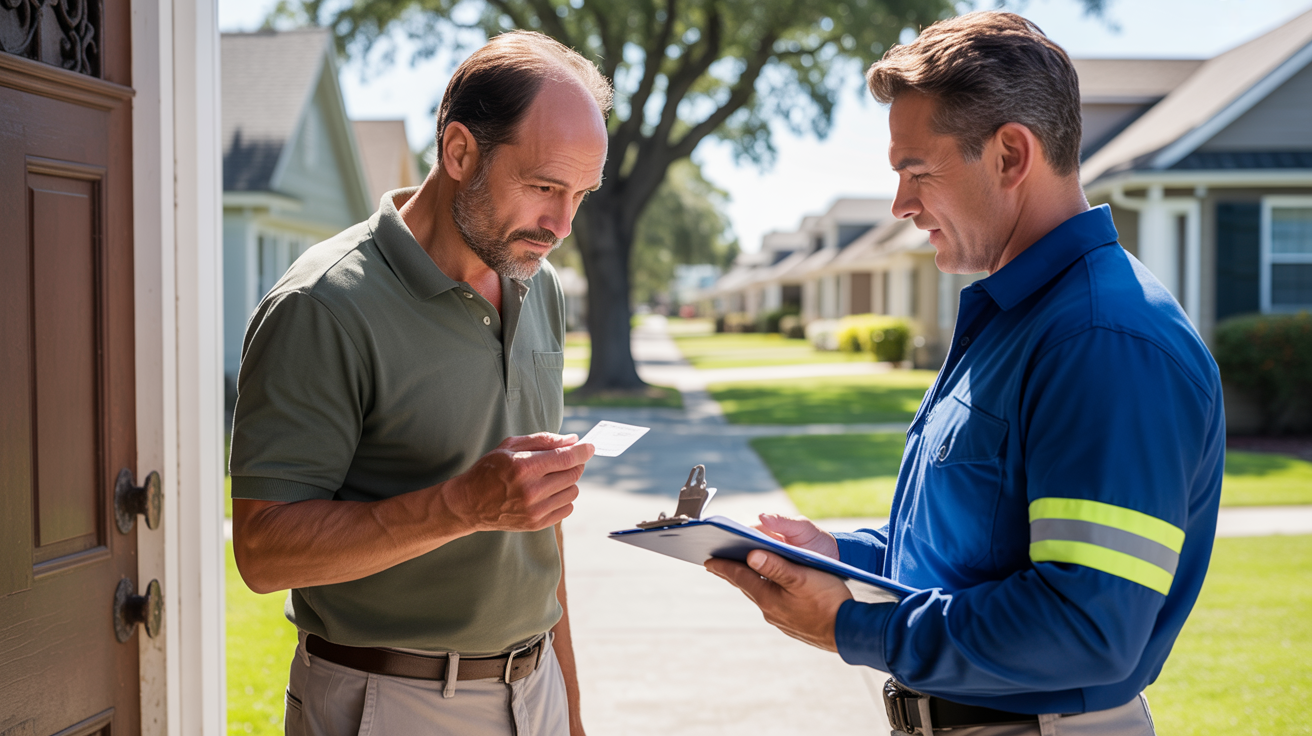
- 🚫 Won't show proper identification
- ⏰ Pressure you to decide immediately
- 📄 Ask to see your bill
- ✨ Promises that seem too good to be true
Never Show Your Bill
Threatening Phone Call Scams
- ⏰ Create artificial urgency — "Your power will be shut off within one hour"
- 📱 Spoof caller ID to display your utility's name or phone number
- 💳 Demand payment immediately over the phone
- 🚫 Never demand immediate payment over the phone
- 📬 Always send written notices before disconnection
- 📅 Never threaten same-day shutoffs for first-time issues
- 📵 Hang up immediately
- 📞 Call your utility directly using the number on your bill
- ✅ Verify your account status through official channels
Verify Before You Pay
Payment Method Scams
- 🎁 Gift cards — Green Dot, iTunes, Google Play, etc.
- 💸 Wire transfers — Western Union, MoneyGram
- 🪙 Cryptocurrency — Bitcoin, etc.
- 💵 Cash payments — To individuals, not official offices
- 💳 Credit cards through official channels
- 💳 Debit cards through official channels
- 📝 Checks mailed to official addresses
- 🏦 Bank transfers through utility websites
Fake Utility Worker Scams
- 📊 Meter readings
- 🔧 Equipment inspections
- ⚡ Emergency repairs
- 💎 Steal valuables
- 📋 Gather personal information
- 🔧 Create fake emergencies to charge for repairs
- 🪪 Always carry company-issued photo identification
- 📅 Schedule appointments in advance for interior work
- ⏳ Will wait while you verify their identity
Email and Text Message Phishing
- ⚠️ "There's a problem with your account"
- 💰 "You have an overdue payment"
- 🎁 "A special refund is available"
- 🔑 Login credentials
- 📋 Personal information
- 💳 Payment details
- ⏰ Send emails demanding immediate action
- 📱 Text threats of disconnection
- 🔗 Ask you to click links to avoid shutoff
- 🚫 Don't click links in the email or text
- 🌐 Go directly to your utility's official website or app
- 🔐 Log in and check your account status
- 📢 Report phishing attempts to your utility
Warning Signs Checklist
- ⏰ Demands immediate payment or decisions
- ⚡ Threatens disconnection without prior written notice
- 🎁 Requests gift cards or wire transfers
- 📄 Asks to see your utility bill
- 🚫 Refuses to provide written materials
- ✍️ Pressures you to sign without reading
- 🪪 Claims to be from utility but can't show proper ID
- 💰 Offers rates dramatically lower than market prices
- 📞 Contacts you unsolicited with "urgent" time-limited offers
- 🛑 End the conversation immediately
- 📞 Contact your utility directly using official numbers
- ⏳ Take time to verify — never rush decisions
Red Flags to Watch
- Demands for immediate payment or decisions
- Threats of immediate disconnection
- Requests for gift cards or wire transfers
- Asking to see your utility bill
- Refusing to provide written materials
How to Verify Electricity Suppliers
- 🌰 Ohio — Check PUCO's certified CRES suppliers at energychoice.ohio.gov
- 🔑 Pennsylvania — Verify EGS licenses at papowerswitch.com
- 🏛️ Massachusetts — Confirm licensing through the DPU website
- 🔢 Ask any supplier for their license number
- ✅ Verify it matches state records
- ⭐ Check online reviews and Better Business Bureau ratings
How to Report Electricity Scams
- 🌰 Ohio — PUCO at 1-800-686-7826
- 🔑 Pennsylvania — PA PUC at 1-800-692-7380
- 🏛️ Massachusetts — MA DPU at 1-877-886-5066
- ⚡ Your utility company — Report impersonators or suspicious activity
- 🏛️ Federal Trade Commission — ReportFraud.ftc.gov
- ⚖️ State Attorney General — Consumer protection division
- ⭐ Better Business Bureau — bbb.org/scamtracker
Frequently Asked Questions
My utility company called and threatened to shut off my power today. Is this real?
Almost certainly a scam. Utilities send multiple written notices before disconnection and never demand same-day payment over the phone. Hang up and call your utility directly using the number on your bill to check your account status.
A salesperson asked to see my electric bill. Should I show it?
Never show your electric bill to door-to-door salespeople. Your bill contains your account number, which scammers can use to switch your service without permission. Legitimate suppliers don't need to see your bill to make offers.
How can I tell if an electricity supplier is legitimate?
Verify suppliers through official state databases: PUCO's Apples to Apples for Ohio, PAPowerSwitch.com for Pennsylvania, or the MA DPU website for Massachusetts. Legitimate suppliers will provide license numbers you can verify independently.
Someone offered me a rate much lower than I'm paying now. Is it a scam?
Extremely low rates should raise suspicion. Check current market rates on your state's official comparison website. If an offer is significantly below market rates, it may be a scam, a teaser rate that increases dramatically, or have hidden fees.
I was slammed to a supplier I never signed up with. What do I do?
Contact your utility immediately to report the unauthorized switch. Request to be returned to your previous supplier. File complaints with your state regulator (PUCO, PA PUC, or DPU). You're entitled to refunds for any excess charges from the slamming company.
Can I call the police if someone tries to scam me?
Yes, especially if the scammer is at your door or making threats. You can also report scams to your local police, state Attorney General, FTC, and Better Business Bureau. Multiple reports help authorities track and stop scammers.
About the author
Consumer Advocate
Enri has spent years helping Texans navigate the deregulated electricity market at ComparePower. He knows what confuses people about energy shopping and what actually helps them save. At ElectricRates.org, he brings that same expertise to Ohio, Pennsylvania, and Massachusetts.
Topics covered
Sources & References
- FTC Consumer Advice - Imposter Scams (Federal Trade Commission): "Federal Trade Commission reports on utility impersonation and imposter scams"Accessed Feb 2025
- PUCO - File a Complaint (Public Utilities Commission of Ohio): "PUCO handles slamming and cramming complaints against electricity suppliers"Accessed Feb 2025
- BBB Scam Tracker (Better Business Bureau): "Better Business Bureau tracks energy scam reports and consumer alerts"Accessed Feb 2025
- PA Office of Attorney General (Pennsylvania Office of Attorney General): "Pennsylvania Office of Attorney General consumer protection resources"Accessed Feb 2025
Last updated: December 10, 2025