Quick Answer
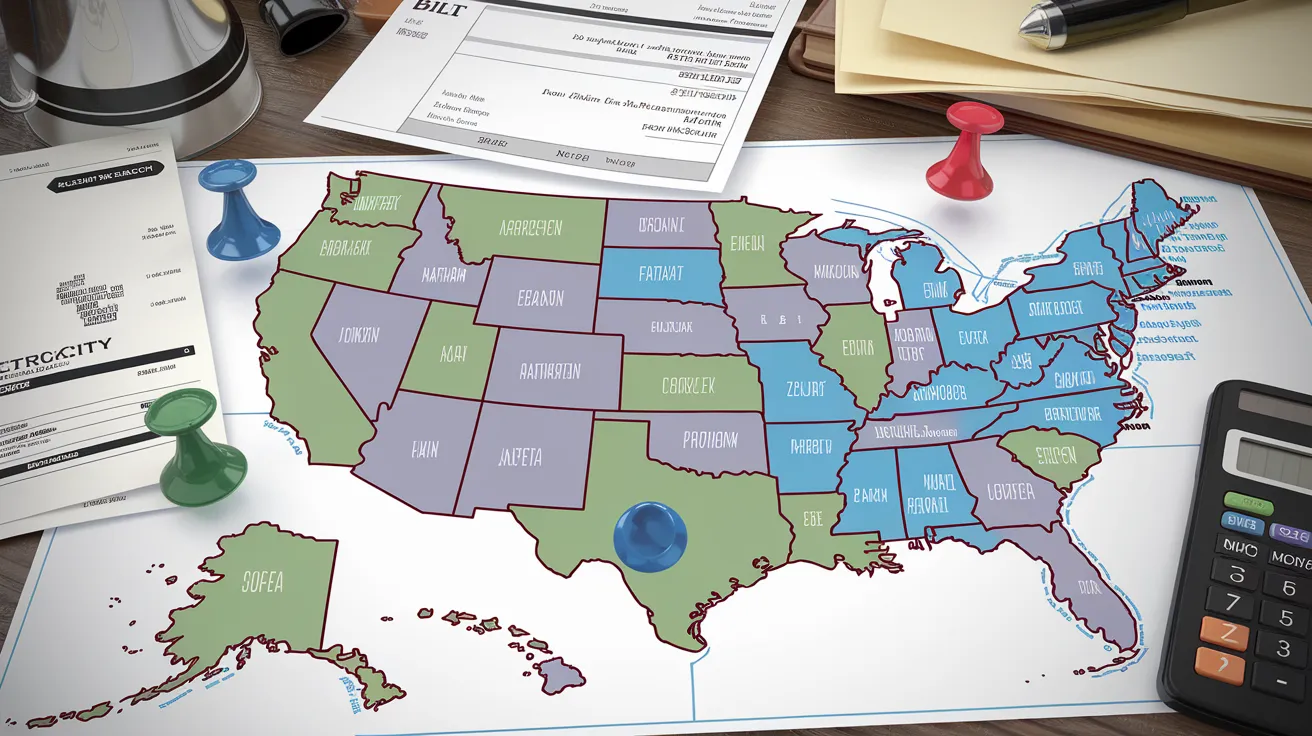
A 2-bedroom apartment averages $117–$179 a month for electricity at the 2026 national average rate of 17.91¢/kWh, using 650–1,000 kWh—about 20–30% more than a 1-bedroom. State costs range from about $100/month in Minnesota to $200–$310/month in Massachusetts, where rates top 30¢/kWh.
| State | Monthly bill | Average rate |
|---|---|---|
| Texas | $120–$190 | 15.5¢/kWh |
| Ohio | $115–$180 | 16.9¢/kWh |
| Pennsylvania | $125–$190 | 18.8¢/kWh |
| Massachusetts | $200–$310 | 30.9¢/kWh |
| Minnesota | $100–$140 | 15.4¢/kWh |
Table of contents
Live Texas Rates · August 2026
· Honest flat-rate baseline: 13.0¢/kWh (top 3 in range 13.0¢–13.3¢)
⚠ Lowest advertised: 6.7¢/kWhBill-credit plans — only cheap near 1,000 kWh usage. Above or below that, you pay much more.
Rates shown are all-in: energy and TDU delivery charges included. Live data from ComparePower API at Oncor (Dallas), 1,000 kWh reference usage.
Shopping for power in Ohio? See live rates from every supplier on our Ohio electricity rates page.
Average Electric Bill for a 2-Bedroom Apartment
A 2-bedroom apartment uses 650-1,000 kWh per month, roughly 20-30% more than a 1-bedroom unit. At the 2026 national average of 17.91 cents per kWh (EIA Electric Power Monthly, as of August 2026), monthly electricity costs land between $117 and $179.
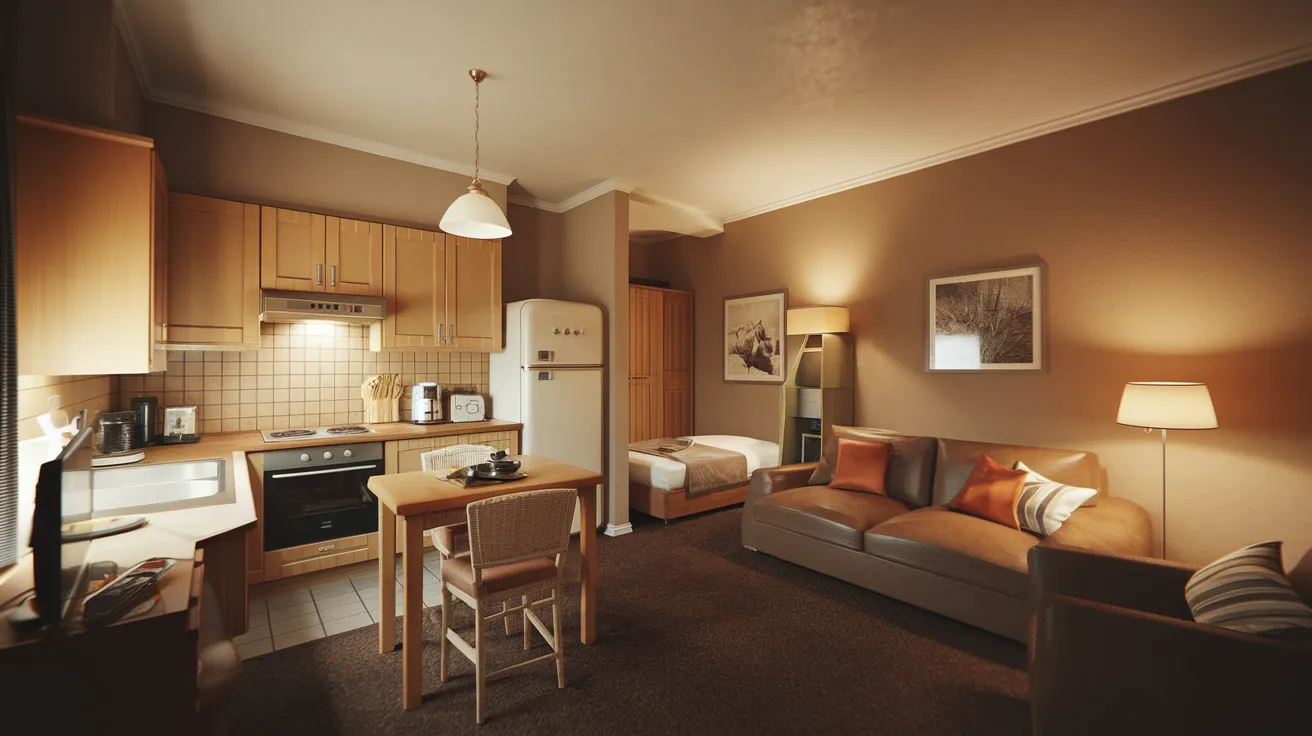
The jump from 1-bedroom to 2-bedroom is not just about extra square footage. A second bedroom usually means a second occupant—more device charging, more laundry loads, more hot showers (if electric water heater), and potentially another TV or computer running.
The EIA's Residential Energy Consumption Survey shows apartments in multifamily buildings average about 30% less energy than detached homes of similar size.[1] Shared walls, shared roofs, and smaller footprints keep apartment energy use lower than houses.
Your actual bill = kWh usage x rate + fixed monthly charges.
Average 2-Bedroom Electric Bill by State
Location determines both your rate and your climate-driven usage. State averages below come from EIA Electric Power Monthly Table 5.06.B, as of August 2026.
Texas: $120-$190/month. Bundled average is 15.5 cents/kWh, but summer AC pushes usage to 1,200+ kWh in July-August, sending bills past $200. Competitive retail offers run as low as 10-12 cents/kWh if you shop.
Ohio: $115-$180/month. Moderate summers, most apartments have gas heat. Average rate: 16.9 cents/kWh. AC adds $30-50/month in summer. Compare Ohio suppliers to find lower rates.
Pennsylvania: $125-$190/month. Rates jumped in 2025-2026 after PECO and PPL Price-to-Compare increases. State average: 18.8 cents/kWh. PECO customers pay more than PPL customers; Philadelphia apartments run higher than Pittsburgh.
Massachusetts: $200-$310/month. Among the highest rates in the lower 48 at 30.9 cents/kWh. Electric heat in winter can push bills past $400. The headline cost driver in MA is the rate, not the usage.
New York: $175-$245/month. Statewide average is 25.3 cents/kWh. NYC apartments (Con Edison) typically run higher than upstate. Most apartments have gas or steam heat, which holds winter electric flat.
California: $160-$225/month. State average 31.5 cents/kWh — highest in the lower 48. Lower usage (500-700 kWh in mild coastal climates) holds bills below MA. PG&E and SCE tiered rates can push individual bills well above the state average.
Florida: $140-$200/month. Year-round AC drives usage to 900-1,300 kWh. Average rate: 14.8 cents/kWh. Miami and Orlando rarely get a cooling break.
Georgia: $115-$160/month. Atlanta 2-bedrooms average $125-$150/month. Average rate: 14.4 cents/kWh — among the lowest in the eastern U.S.
Virginia: $105-$145/month. Moderate four-season climate, average rate 15.0 cents/kWh. Northern Virginia (Dominion Energy) runs slightly higher.
Indiana: $110-$150/month. Average rate 15.4 cents/kWh and moderate summers keep costs in check. Electric heat bumps winter bills to $200+.
Minnesota: $100-$140/month. Lower rates (15.4 cents/kWh) and gas heat in most apartments keep winter bills flat. Summer AC adds $25-40/month.
In deregulated states, shopping for a better rate on ElectricRates.org can save $20-50/month.
Why a 2-Bedroom Costs More Than a 1-Bedroom
The extra electricity in a 2-bedroom apartment comes from several sources.
More square footage to cool/heat. A typical 2-bedroom is 850-1,100 sq ft versus 550-750 for a 1-bedroom. That is 30-50% more space for your HVAC to condition.
Second occupant. Two people typically use 20-30% more electricity than one—additional cooking, laundry, devices, and hot water.
More electronics. A second bedroom often becomes a home office, guest room with its own TV, or kids' room with gaming equipment.
Additional lighting. More rooms means more fixtures running, especially in the evening.
Larger refrigerator. Many 2-bedrooms have full-size refrigerators versus the compact models in some 1-bedrooms.
Expect your 2-bedroom bill to run $25-50/month higher than an equivalent 1-bedroom in the same building.
Top Electricity Users in a 2-Bedroom Apartment
HVAC (heating/cooling): 35-55% — The single largest electricity consumer. A 2-bedroom needs a larger AC unit or longer run times. Central AC in a 1,000 sq ft apartment draws 2,500-3,500 watts.
Water heater: 12-18% — If electric. Two occupants means more showers, more dishes, more hot water. A 50-gallon tank running 3 hours daily costs $25-40/month.
Refrigerator: 7-10% — Full-size units use 400-600 kWh per year. Energy Star models cut this by 15-25%.
Laundry: 5-8% — Electric dryers use 2,000-5,000 watts per load. Two people generate 4-6 loads per week.
Electronics and lighting: 10-15% — Multiple TVs, computers, chargers, and smart devices. LED lighting helps but always-on devices add phantom load.
Identifying your top consumers tells you where to focus savings efforts.
How to Reduce Your 2-Bedroom Electric Bill
Shop your rate. The fastest savings available. In deregulated states, switching suppliers saves 10-20% with zero lifestyle changes. Compare rates at ElectricRates.org.
Set the thermostat strategically. Every degree warmer in summer saves about 3% on cooling costs. Set to 78°F when home, 85°F when away. Use ceiling fans to feel 4 degrees cooler.
Upgrade the dryer routine. Air-dry when possible. Use dryer balls to reduce cycle time by 10-15 minutes. Clean the lint trap every load.
Use smart power strips. Entertainment centers and desk setups draw 20-50 watts in standby. A smart strip cuts phantom power to near zero.
Ask about your water heater. If it is electric and old, wrapping it in an insulation blanket ($20-30) saves $10-15/month. Set the temperature to 120°F.
Budgeting for Total 2-Bedroom Apartment Utilities
Average monthly utility breakdown for a 2-bedroom:
- Electricity: $115-$200 (higher in MA, CA, NY)
- Gas (if applicable): $40-$85
- Water/sewer: $30-$60
- Trash: $15-$30
- Internet: $50-$80
Total: $250-$455/month if paying all utilities separately.
The 30% rule suggests spending no more than 30% of gross income on housing, including utilities. If your rent is $1,200 and utilities average $325, your housing cost is roughly $1,525/month.
Budget for your worst month, not the average. In Texas, July electric bills routinely top $230 in a 2-bedroom. In Massachusetts at current rates, January with electric heat can exceed $400.
Ask your utility for budget billing to flatten seasonal spikes into equal monthly payments. This does not save money but makes budgeting predictable.
Frequently Asked Questions
How much should I budget for electricity in a 2-bedroom apartment?
Does having a roommate double the electric bill?
Why is my 2-bedroom electric bill higher than my friend in a house?
Looking for more? Explore all our How-To Guides guides for more helpful resources.
About the author

Consumer Advocate
Enri knows the regulations, the fine print, and the tricks some suppliers use. He's spent years learning how to spot hidden fees, misleading teaser rates, and contracts that sound good but cost more. His goal: help people avoid the traps and find plans that save money.
Compare rates in your area

Is your bill an F?
Grade your electric bill A–F against live plans in your ZIP. 30 seconds, no signup.
Topics covered
Sources & References
- EIA Residential Energy Consumption Survey (RECS) (U.S. Energy Information Administration): "Apartments in multifamily buildings use approximately 30% less energy than similarly sized detached homes"Accessed May 2026
- EIA - Electricity Data Browser (U.S. Energy Information Administration): "The average U.S. household uses approximately 886 kWh per month"Accessed May 2026
- EIA Electric Power Monthly, Table 5.06.B (U.S. Energy Information Administration): "State-by-state residential electricity rates from EIA Electric Power Monthly Table 5.06.B (as of August 2026)"Accessed May 2026
- DOE Energy Saver (U.S. Department of Energy): "Each degree of thermostat adjustment saves approximately 3% on cooling costs"Accessed May 2026
Last updated: August 6, 2026