Quick Answer
The average electric bill for a 1-bedroom apartment is $90 to $134 per month, based on 500-750 kWh of monthly use at the 2026 national average residential rate of 17.91 cents per kWh (EIA Electric Power Monthly, as of August 2026). Your cost depends on your state, climate, and whether you have electric or gas heat.
| State | Avg. 1-bedroom electric bill / month |
|---|---|
| Texas | $95-$145 |
| Florida | $110-$160 |
| California | $130-$180 |
| Ohio | $90-$135 |
| Pennsylvania | $95-$145 |
| Massachusetts | $155-$230 |
| New York | $130-$195 |
| Minnesota | $75-$110 |
Table of contents
Live Texas Rates · August 2026
· Honest flat-rate baseline: 13.0¢/kWh (top 3 in range 13.0¢–13.3¢)
⚠ Lowest advertised: 6.7¢/kWhBill-credit plans — only cheap near 1,000 kWh usage. Above or below that, you pay much more.
Rates shown are all-in: energy and TDU delivery charges included. Live data from ComparePower API at Oncor (Dallas), 1,000 kWh reference usage.
Shopping for power in Ohio? See live rates from every supplier on our Ohio electricity rates page.
Average Electric Bill for a 1-Bedroom Apartment
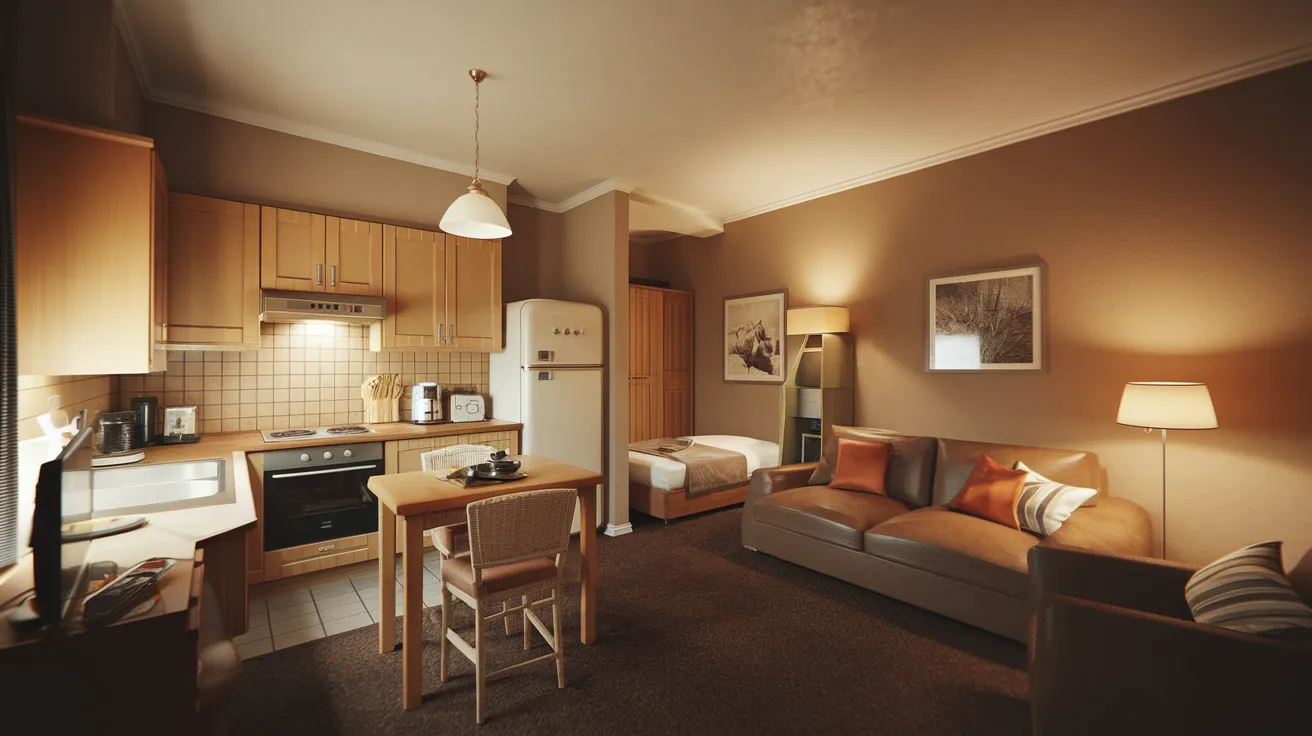
A typical 1-bedroom apartment uses 500-750 kWh per month, depending on climate, insulation, and appliance efficiency. At the 2026 national average residential rate of 17.91 cents per kWh (EIA Electric Power Monthly, as of August 2026), that puts monthly electric bills between $90 and $134.[1]
This is lower than the overall U.S. household average of $160/month because apartments are smaller, share walls (better insulation), and often use gas for heating and cooking.
The range is wide because a 1-bedroom in Houston with electric AC running May through October costs far more than a 1-bedroom in Portland with mild summers. Location is the single biggest variable.
Your actual cost = monthly kWh usage x your rate per kWh + fixed charges. Knowing both numbers lets you budget accurately.
Average 1-Bedroom Electric Bill by State
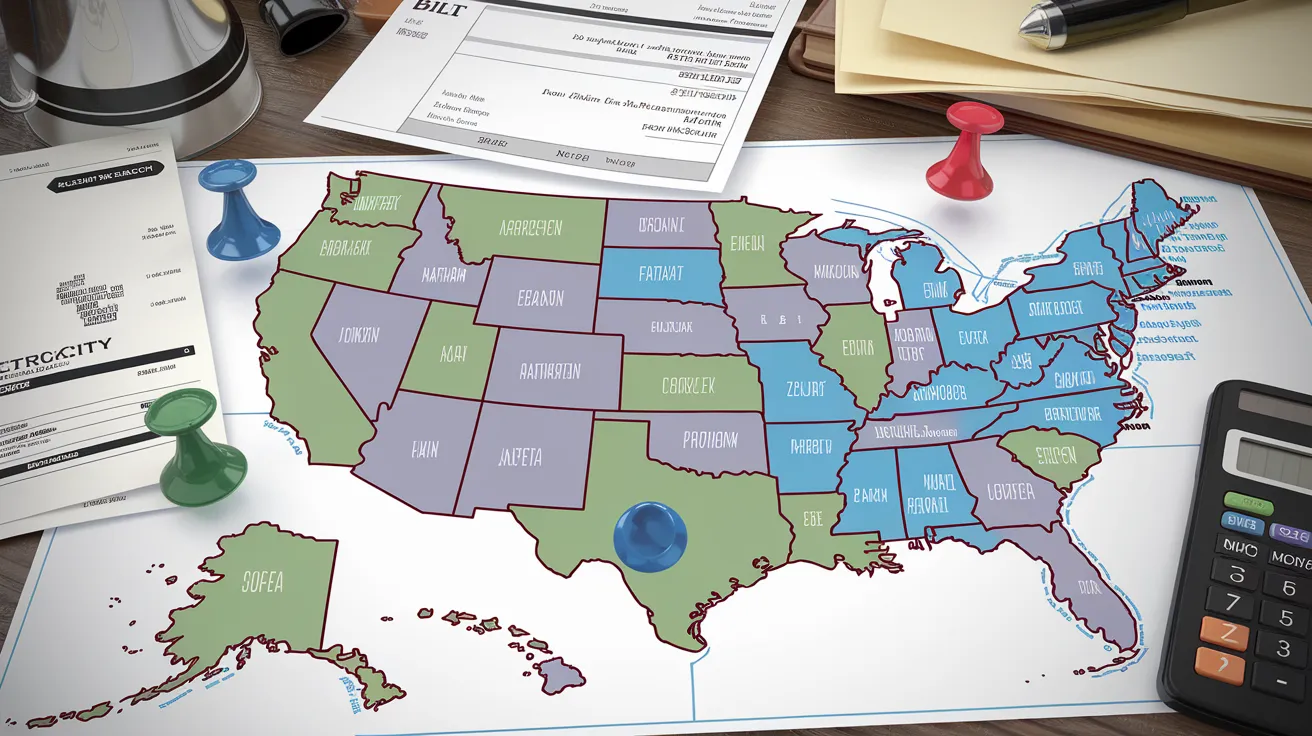
Rates and climate drive major differences across states. State averages below come from EIA Electric Power Monthly Table 5.06.B, as of August 2026. All figures assume gas heating unless noted.[2]
Texas: $95-$145/month. Hot summers mean AC dominates. Average bundled rate: 15.5 cents/kWh. Usage spikes to 900+ kWh in July-August, pushing summer bills past $170. Competitive retail offers run lower (10-14 cents/kWh) if you shop. Houston apartments run higher than Dallas due to humidity.
Florida: $110-$160/month. Year-round AC keeps bills elevated. Average rate: 14.8 cents/kWh, and usage is high at 700-1,000 kWh. Miami and Orlando apartments rarely get a break from cooling costs.
California: $130-$180/month. The highest rates in the lower 48 (31.5 cents/kWh average; PG&E and SCE tiered rates run higher still) offset by mild climate and lower usage (400-550 kWh). San Diego apartments are cheapest; inland valleys run hotter.
Ohio: $90-$135/month. Moderate climate, many apartments use gas heat. Average rate: 16.9 cents/kWh. Summer AC adds $25-40/month. Ohio residents can compare suppliers on Apples to Apples to find lower rates.
Pennsylvania: $95-$145/month. Varies by utility—PECO territory is higher than PPL, and 2025-2026 Price to Compare increases pushed both higher. Average rate: 18.8 cents/kWh.
Massachusetts: $155-$230/month. Highest rates in the Northeast at 30.9 cents/kWh, and usage is moderate. Electric heating in winter can push bills well above $300.
New York: $130-$195/month. Statewide average is 25.3 cents/kWh; NYC apartments (Con Edison) typically run higher than upstate. Most apartments here have gas or steam heat, which keeps winter electric usage manageable.
Minnesota: $75-$110/month. Lower rates (15.4 cents/kWh) keep costs manageable. Most apartments have gas heat, so electric bills stay flat in winter. Summer AC adds $20-30/month.
Georgia: $90-$130/month. Atlanta apartments average $95-120/month. Hot summers drive AC costs May through September. Average rate: 14.4 cents/kWh — among the lowest in the eastern U.S.
Virginia: $80-$115/month. Moderate four-season climate. Average rate: 15.0 cents/kWh. Northern Virginia (Dominion Energy) runs slightly higher than the rest of the state.
Indiana: $85-$120/month. Average rate: 15.4 cents/kWh and moderate summers keep costs in check. Electric heat bumps winter bills to $150+.
If your apartment has electric baseboard or resistance heating, winter bills can double or triple these estimates regardless of state.
What Uses the Most Electricity in a 1-Bedroom
In a 1-bedroom apartment, a handful of items consume most of the electricity.
Air conditioning: 30-50% of summer bills. A window unit uses 500-1,400 watts. Central AC is more efficient but runs longer in larger buildings.
Electric heating: 40-60% of winter bills (if applicable). Baseboard heaters are energy hogs—1,500 watts each.
Refrigerator: 8-12% year-round. Runs 24/7. Older models use twice the electricity of new Energy Star units.
Water heater: 10-15% (if electric). A 50-gallon tank draws 4,500 watts.
Lighting and electronics: 10-15%. LED bulbs have cut lighting costs by 75% compared to incandescent. But TVs, gaming consoles, and always-on devices add up.
If your bill seems high, check whether your apartment has electric water heating or baseboard heat—these are usually the hidden drivers.
How to Lower Your 1-Bedroom Electric Bill
Switch suppliers. In Texas, Ohio, Pennsylvania, Massachusetts, New Jersey, and Washington DC, switching to a lower supply rate on ElectricRates.org can cut 10-20% off your bill immediately. Takes 5 minutes.
Use a smart thermostat. Even a basic programmable thermostat saves $50-100/year by reducing AC and heating when you are away or sleeping.
Seal windows. Apartments lose significant energy through drafty windows. Weatherstripping costs $5-10 per window and pays for itself in one month.
Switch to LEDs. If your apartment still has any incandescent bulbs, swap them. A 10-watt LED replaces a 60-watt incandescent.
Unplug chargers and idle electronics. Phantom power draw adds $5-10/month across all devices. A power strip with an on/off switch makes this easy.
Total Utility Costs Beyond Electricity
Electricity is typically the largest utility bill, but it is not the only one.
Average monthly utilities for a 1-bedroom apartment:
- Electricity: $90-$135 (higher in CA, MA, NY)
- Gas (heating/cooking): $30-$65 (if applicable)
- Water/sewer: $25-$50 (often included in rent)
- Trash: $15-$30 (often included in rent)
- Internet: $50-$80
Total: $210-$360/month if you pay everything separately.
Many apartments include water, sewer, and trash in rent. Some include gas. All-utilities-included apartments factor these costs into higher rent—you are still paying, just indirectly.
When comparing apartments, always calculate the rent + utilities total. A cheaper apartment with electric baseboard heating can cost more overall than a pricier unit with gas heat and better insulation.
How Seasons Affect Your 1-Bedroom Electric Bill
Expect your electric bill to swing 30-50% between seasons in most regions.
Summer (June-September): Peak electricity costs. AC drives usage up 200-400 kWh above baseline. Texas apartments see the biggest summer spikes—$170+ months are common.
Winter (December-March): If you have electric heat, winter is your peak season. Massachusetts apartments with electric baseboard heating can see $300+ bills in January at current rates. Gas-heated apartments stay relatively flat.
Spring and Fall (April-May, October-November): Your cheapest months. No heating or cooling needed. A 1-bedroom might use just 400-500 kWh. Bills of $70-90 are common in mild climates.
Budget for the peak months, not the average. Set aside $20/month extra during mild months to cover summer or winter spikes. Or ask your utility about budget billing, which averages your annual cost into equal monthly payments.
Frequently Asked Questions
Is $100 a month a lot for electricity in a 1-bedroom apartment?
Why is my apartment electric bill so high compared to my neighbors?
Do 1-bedroom apartments use less electricity than houses?
What is the average electric bill for a 1 bedroom apartment in Florida?
What is the average electric bill for a 1 bedroom apartment in Houston?
How many kWh does a 1 bedroom apartment use per month?
Looking for more? Explore all our How-To Guides guides for more helpful resources.
About the author

Consumer Advocate
Enri knows the regulations, the fine print, and the tricks some suppliers use. He's spent years learning how to spot hidden fees, misleading teaser rates, and contracts that sound good but cost more. His goal: help people avoid the traps and find plans that save money.
Compare rates in your area

Is your bill an F?
Grade your electric bill A–F against live plans in your ZIP. 30 seconds, no signup.
Topics covered
Sources & References
- EIA Residential Energy Consumption Survey (RECS) (U.S. Energy Information Administration): "Average apartment electricity consumption and costs from the Residential Energy Consumption Survey"Accessed May 2026
- EIA Electric Power Monthly, Table 5.06.B (U.S. Energy Information Administration): "State-by-state average residential electricity rates from EIA Electric Power Monthly Table 5.06.B (as of August 2026)"Accessed May 2026
- EPA Energy Star Program (U.S. Environmental Protection Agency): "Energy Star certified appliances use 10-50% less energy than standard models"Accessed May 2026
Last updated: August 6, 2026